The Italian school, Artemide and Oluce
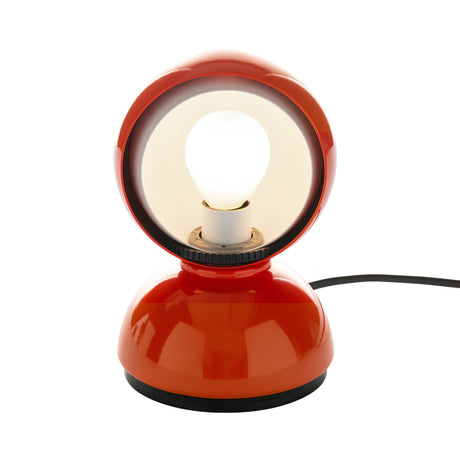
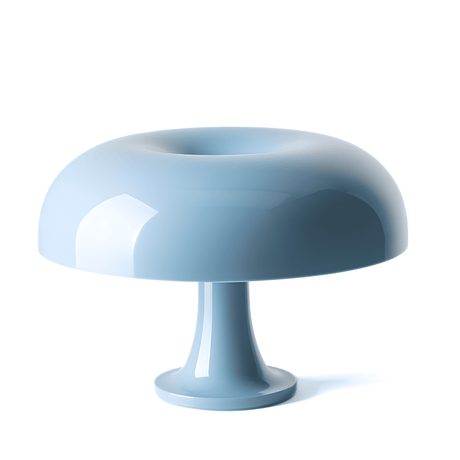
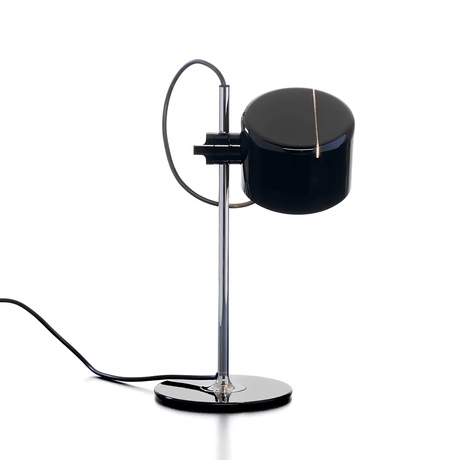
Artemide and Oluce share a founding postulate: light is a material to be sculpted. The form is born from an optical intention, never from added decoration.
Artemide, form as calculation
Each piece is born from a precise formal intention. The Calipso derives its honeycomb grid from an algorithm applied to a photograph of the Moon. The hexagonal Zephyr uses mouth-blown glass as an optical organ, its ground, wavy edge alternating between transparent and opaline bands.
- Calipso, technopolymer, €1,260
- Yanzi, brushed brass and opaline glass, €1,700
- Hexagonal Zephyr, mouth-blown glass, €3,750
Oluce, Milanese essentialism
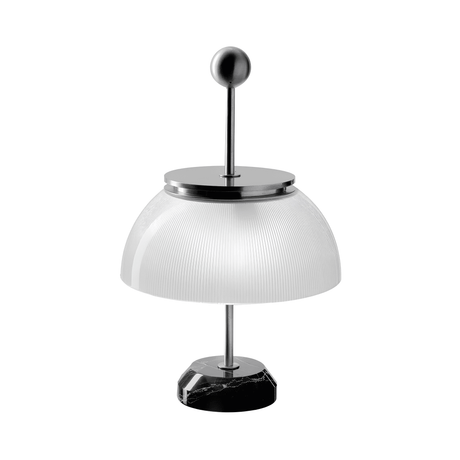
Vico Magistretti designed the Sonora in 1976 as an everyday object elevated to the dignity of design. Its blown PMMA dome is white on the outside and gold on the inside: the light is reflected against the gold surface and then redistributed downwards in a warm tone. The entire effect relies on a surface that is hidden from view.
Scandinavian functionalism, Louis Poulsen
A single principle, held since 1926: no light source must be visible from a seated position. Everything else follows from this.
The PH system, a century of method
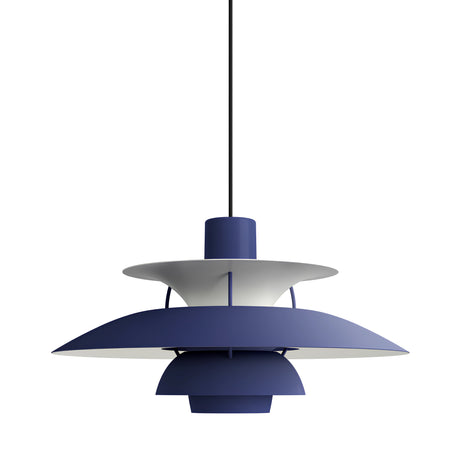
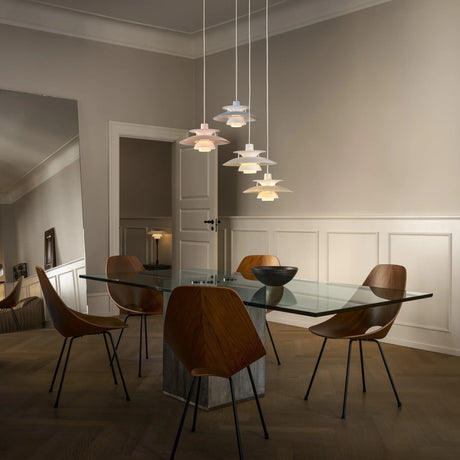
The three-shade system still carries it in the 1958 PH 5 as well as in the PH 3/3 Centenary Edition, released for the centennial. Each screen takes the light from the previous one and redistributes it downwards. A useful bit of precision, because errors are common: the "5" in PH 5 does not designate a number of screens but the 50 cm diameter of the main shade.
From the Snowball to the Artichoke
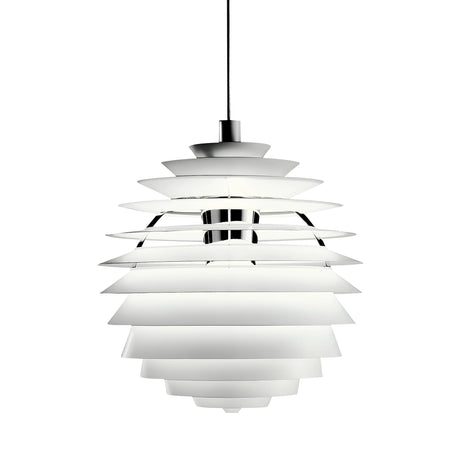
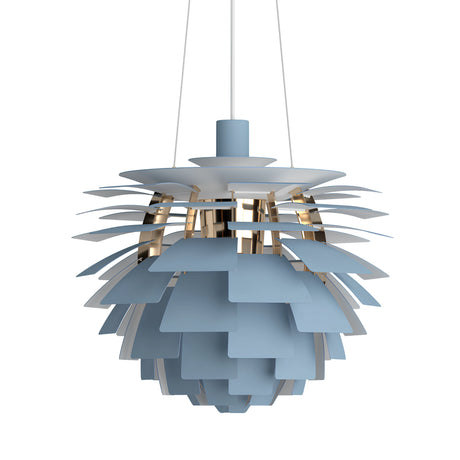
The PH Snowball pushes the system to its culmination with eight spiral shades: a sphere of soft light, with no cast shadows from any angle. The Artichoke, seventy-two leaves in twelve rows of six, represents its formal peak. Designed for the Langelinie Pavilion in Copenhagen, it remains the house's most iconic piece.
Sculptural contemporary, Tom Dixon
Tom Dixon works with light as a sculptor works with material: the surface matters as much as the source.
The Melt, a liquid mirror
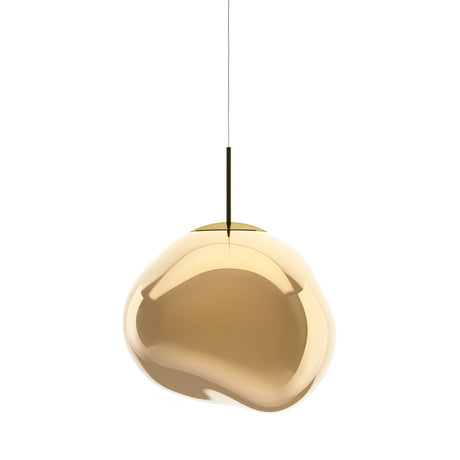
Launched at the 2015 Salone, the Melt uses vacuum metallization to transform a sphere of blown polycarbonate into a liquid mirror that captures and distorts its environment. The piece changes appearance depending on the time of day and its surroundings.
The chandelier, scaled to the room
The Melt chandelier transposes this principle to large volumes: four irregular spheres in smoked gold, suspended from a gold-plated polished steel frame, arranged in a constellation. For spaces that embrace their decorative ambition.
Choosing based on the room and ceiling height
The right pendant light depends less on taste than on space. Two situations cover the majority of cases.
Above a dining table
The bottom of the fixture should be 70 to 80 cm above the tabletop, with a diameter between 40 and 60 cm for a standard table. The PH 5 remains the benchmark for its total lack of glare and allows for hanging as low as 65 cm. The PH 3/3 Centenary Edition applies the same principle in mouth-blown glass. For large dining tables, the PH Artichoke is the obvious choice.
Living room, bedroom, and large volumes
The Calipso lights gently and is suitable for an entryway; the Yanzi provides an identifiable form, even in a bedroom. In a double-height space, the hexagonal Zephyr covers large areas without breaking formal coherence, and a cluster composition is often more appropriate than a single oversized piece. The power track should be planned during the electrical installation.