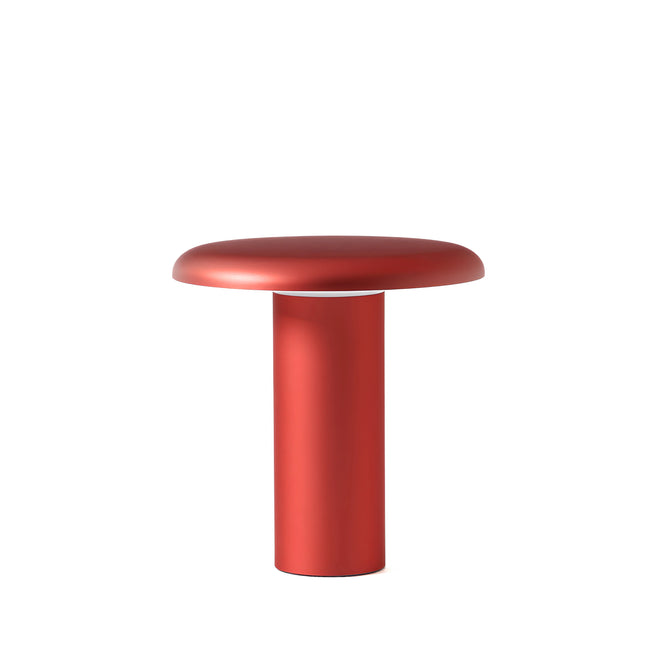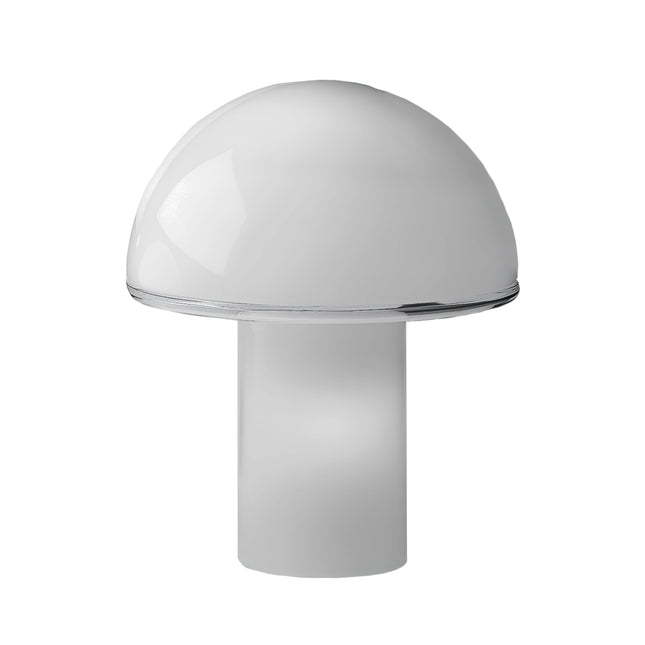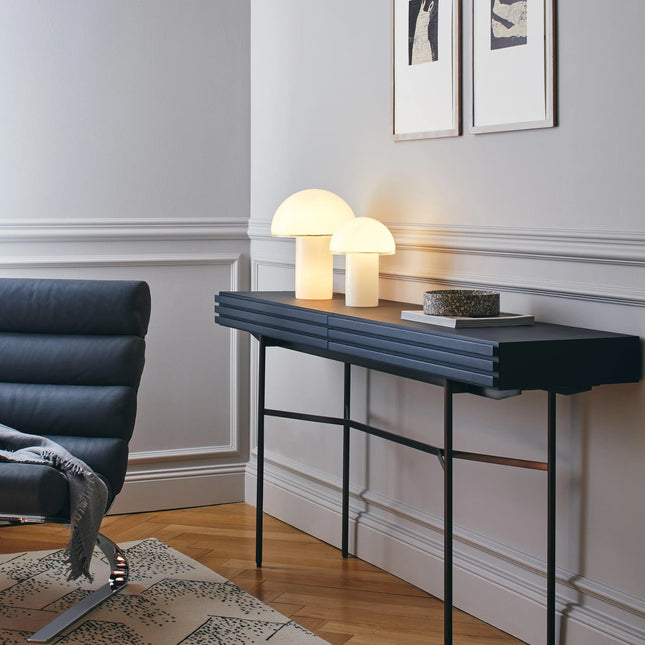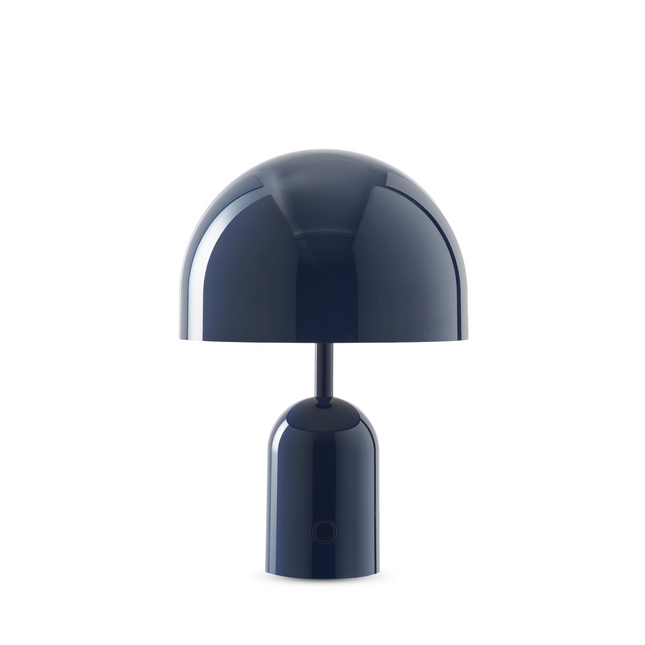



The mushroom lamp: a design icon
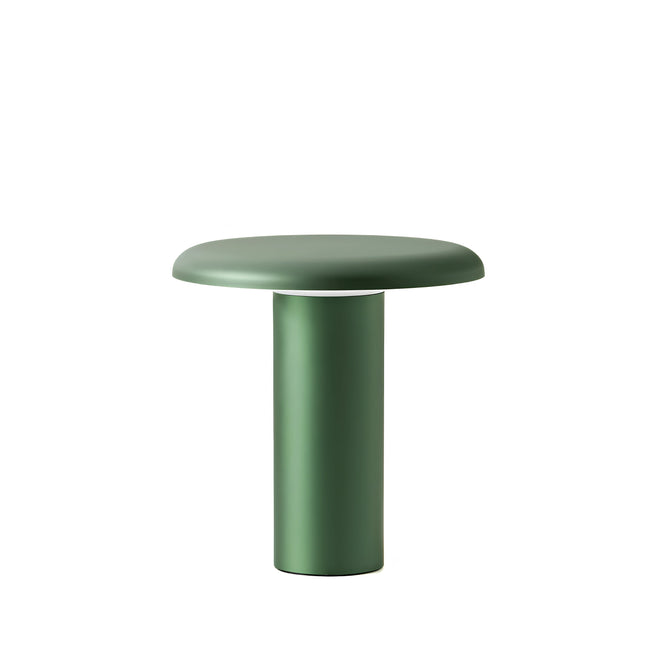
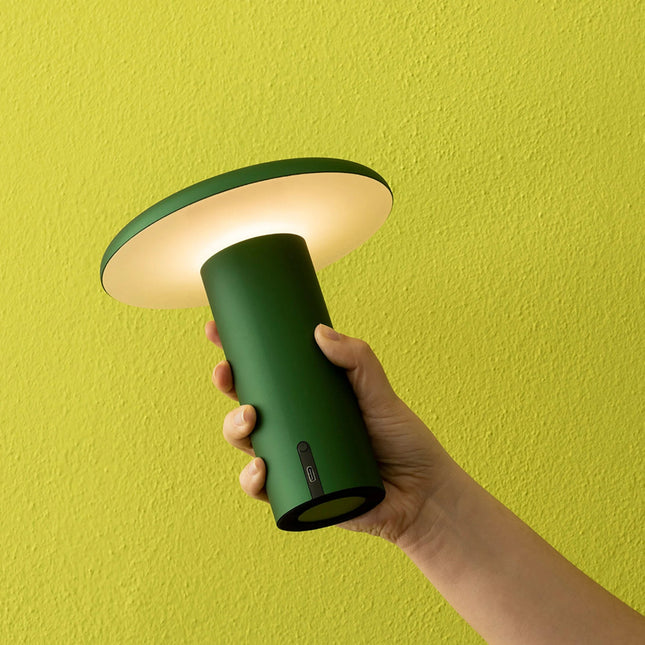
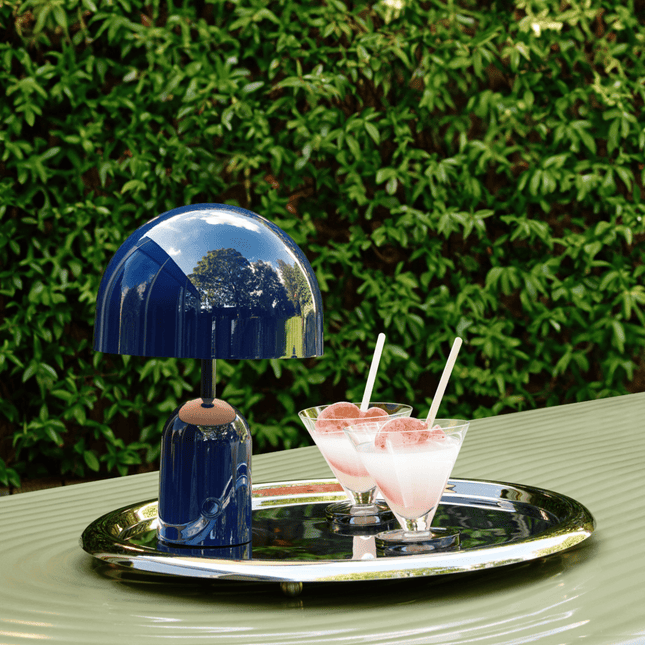
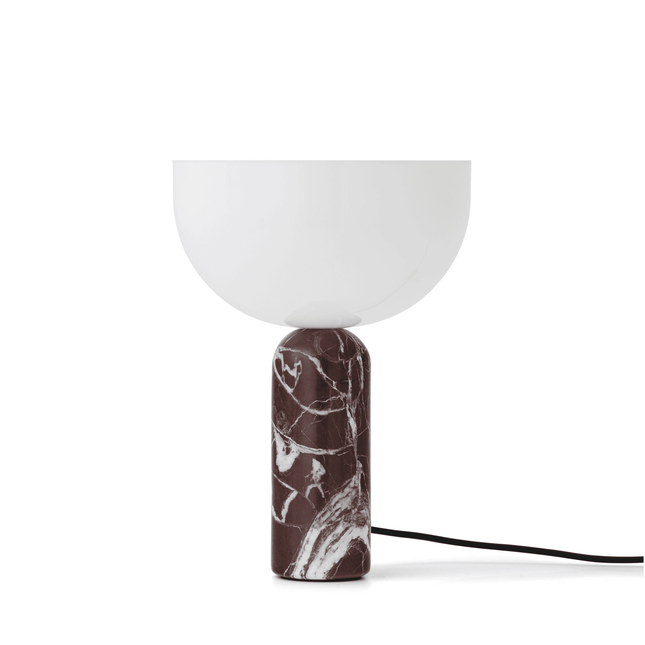
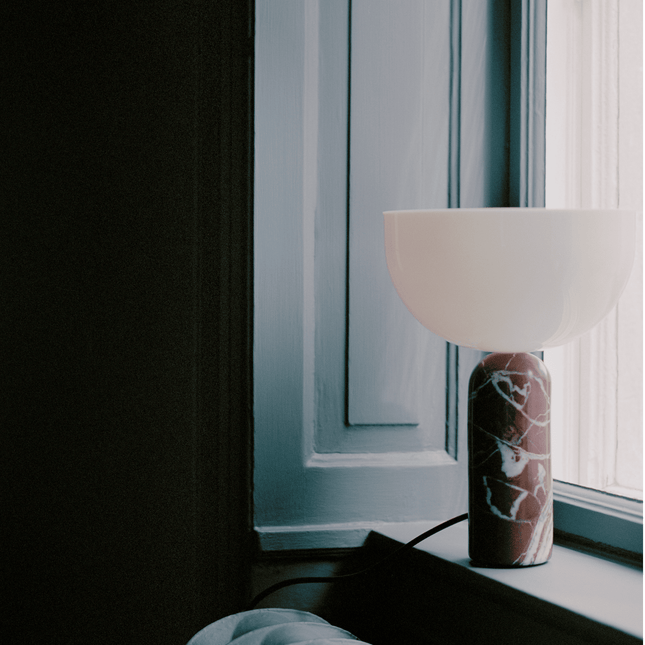
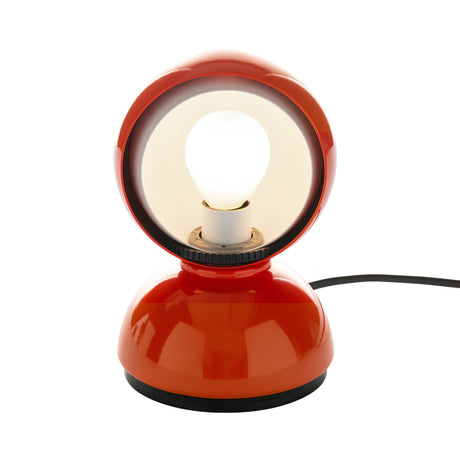
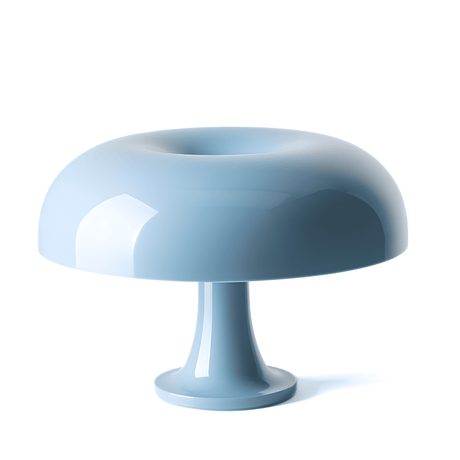
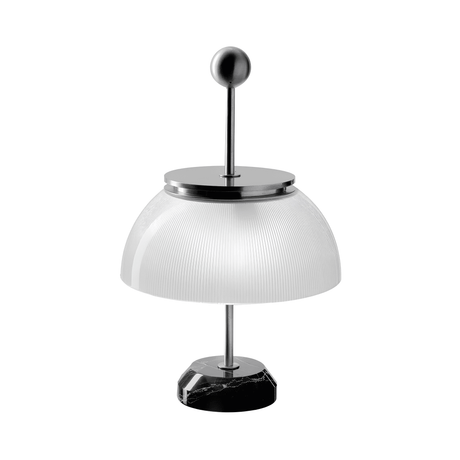
The mushroom lamp is experiencing a real comeback. Born in the 1960s, it captivates with its simple, organic shape, often composed of a rounded base and a domed lampshade. This light fixture, initially manufactured in glass paste or molded plastic, became a symbol of postwar design. Today, it is available in a wide range of materials—metal, marble, opaline glass, or anodized aluminum—and in portable LED versions.
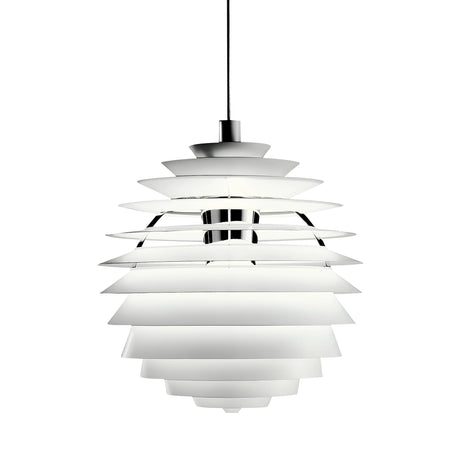
Here is a selection of models that illustrate the evolution of this design icon, from vintage to contemporary.
🕯️ A little history: from pop design to cult object
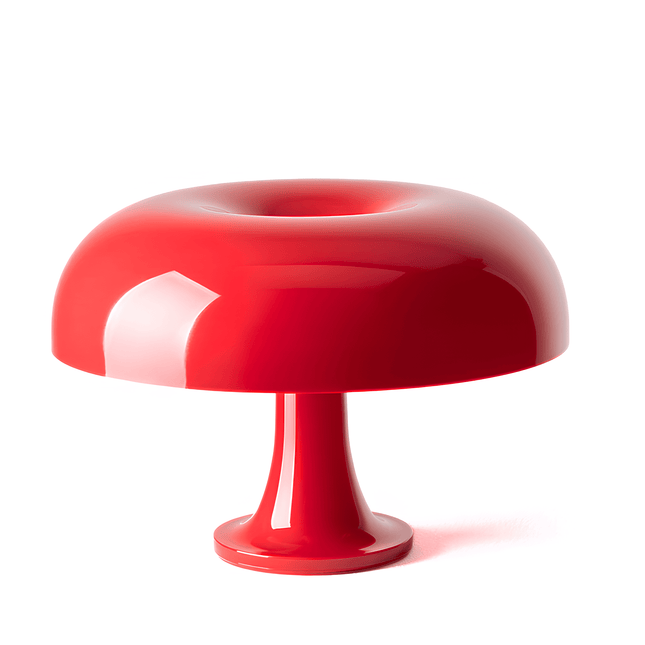
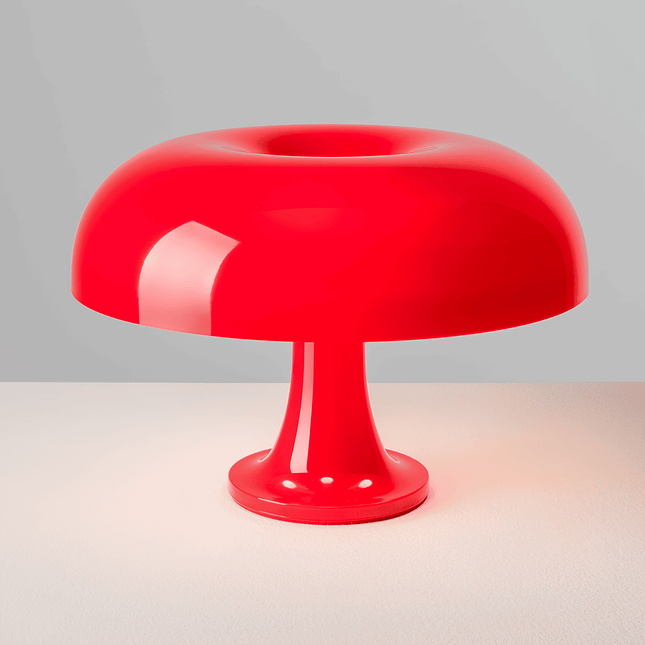
The mushroom lamp appeared in the 1960s, at a time when designers were interested in organic forms and industrial materials. In 1967, Giancarlo Mattioli designed the Nessino for Artemide, made of molded resin, a symbol of accessible and colorful mass production. It is now part of the MoMA collection in New York.
Ten years later, Vico Magistretti designed the Atollo (1977) for Oluce, which refined the mushroom shape into a perfect geometric composition: cylinder, cone, hemisphere. This model, often copied, remains on display at the Triennale Design Museum in Milan.
It was during this period that the first vintage mushroom lamps, made of blown glass or crystal, appeared, mass-produced by French and Italian manufacturers. These pieces, now highly sought after, bear witness to artisanal craftsmanship and an era when lighting became a true decorative object.
Since then, the mushroom lamp has spanned the decades. Each generation of designers has reinterpreted it, playing with diffused light, portability, or materiality.