LED bulbs and bases: how to choose your LED lighting

The light bulb is no longer just a simple consumable. With the rise of LED (Light-Emitting Diode) technology, it has become a structuring parameter of lighting design, optics, and the use of a room. The question of the light bulb base now stands as a decisive interface between the fixture, the light source, and the illuminated space.

Knowing the different types of LED bulb bases, their standards, their constraints, and their compatibilities, is akin to reading between the lines of evolving lighting practices, from residential ceiling lights to professional track spotlights.

Definition of an LED bulb base: mechanical and electrical interface

The base is the bottom part of the light bulb. It provides both mechanical attachment in the socket and electrical conduction. Its designation is based on a standardized system combining a letter and a number.

The letter indicates the connection principle. For example, the letter E refers to the Edison screw, inherited from the incandescent bulb. B denotes the bayonet, a side-rotation attachment. As for the G and GU labels, they correspond to pin systems, using insertion or a quarter-turn.

The number specifies either the diameter of the base or the spacing between the pins, expressed in millimeters.

Here is a summary table of the most frequently used LED bulb bases:

LED Base Diameter / spacing Common uses
E27 27 mm Ceiling lights, pendants, floor lamps, wall lights
E14 14 mm Bedside lamps, wall lights, chandeliers
GU10 10 mm (pins 10 mm apart) Recessed spots, track lighting, kitchens
GU5.3 (MR16) 5.3 mm pin spacing Recessed spots, display cases, furniture
G9 9 mm pin spacing Wall lights, compact pendants
B22 22 mm (bayonet) Older installations, string lights
R7s 78 mm or 118 mm length Floodlights, wall strip lights
G13 13 mm pin spacing Strip lights, garages, kitchens, professional spaces

LED screw bases

E27 LED base: a standard for ceiling lights, lamps, and wall sconces

The E27 base remains the most common reference in residential lighting. Its 27 mm diameter and direct 230 V power supply make it a universal standard, used in pendant lights, ceiling lights, floor lamps, and even some wall sconces.

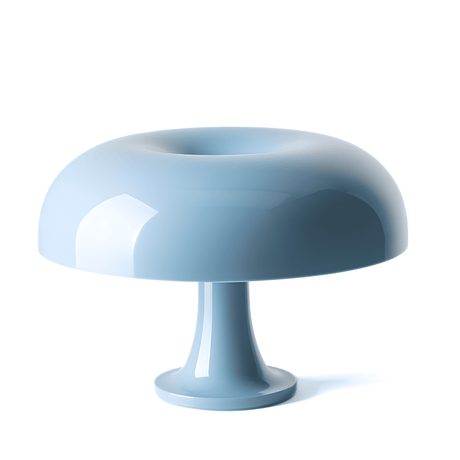
In contemporary fixtures like mushroom lamps, the E27 allows for a wide variety of LED bulb shapes: white opaline blown-glass globes, as seen in the Dioscuri and Itka wall sconces by Artemide; exposed filaments, particularly appreciated for transparent fixtures like the Ipy Parete sconce; or even decorative tubes and dimmable LED sources. This versatility explains the presence of the LED bulb in rooms with very different functions, from the innovative LAS 376 living room floor lamp by the Italian brand Oluce to a handcrafted Ratán Plisado rattan pendant light by Vical Design.

E14 LED base: warm white and ideal intensity for a secondary lamp

With its 14 mm diameter, the E14 base is a standard for low-volume light fixtures: bedside lamps, wall sconces, or even multi-armed chandeliers. It also operates on 230 V, without a transformer.

Its use, however, requires particular attention to wattage and luminous flux. LED plays a key role here, offering high energy efficiency in a compact size. In certain wall compositions or sculptural table lamps like Oyster from the Ferm Living studio, the E14 directly determines the finesse of the design.

E40 LED base: energy, energy efficiency and industrial lighting

The E40 base, rarely encountered in homes, belongs to the field of industrial and commercial lighting. Its 40 mm diameter supports high-power sources intended for warehouses, workshops, or large commercial spaces. In LED lighting, it is gradually replacing older discharge lamps, with a notable gain in energy consumption and lifespan.

LED pin bases: precision lighting at its best

GU10 LED base: the ally of recessed spotlights

The GU10 has established itself as the benchmark for recessed spotlights. Its quarter-turn locking system ensures a stable connection, without a transformer, via a direct 230 V power supply. It is used in ceiling spotlights, retail lighting tracks, as well as certain adjustable wall lights and outdoor bollards.

Its appeal lies in the precision of the light beam. The beam angle, color temperature, light intensity, and dimmability are all parameters that turn the GU10 LED bulb into a tool for lighting design, particularly in kitchens, circulation areas, or exhibition spaces.

GU5.3 (MR16) and G4 bases: successors to halogen

G4 and GU5.3 bases, also associated with the MR16 format, operate at low voltage, generally 12 V, via a transformer. They are used in recessed spotlights, display cases, illuminated furniture, or small-sized light fixtures such as the elegant Pistil lamp, Made in France by Jurie & Jarre.

Historically developed for halogen, these formats find new relevance in LED technology by limiting heat generation and improving energy efficiency. Their use, however, requires strict compatibility between the LED bulb and the existing transformer.

G9 LED base: small-volume lighting

The G9 is recognizable by its two looped pins. Powered at 230 V, it fits into very tight spaces: small wall sconces, minimalist pendants, and decorative lamps. A true luminous pin, the small size of the G9 LED bulb allows it to be inserted into fine, detailed structures where a classic bulb would be too imposing, while maintaining the power necessary to enhance materials.

The Cascadence pendant by Ango relies on a compact source hidden behind an assembly of silk cocoons, while the Sun wall lamps, designed by Rollo Studio, reinvent lighting with organic patterned shadows diffused with pinpoint precision. The table lamp Cima by Vical Design, carved from marble, uses a G9 LED bulb to house the source in the heart of the material and create a soft light, perfectly proportioned to the object.

The B22 LED bayonet base: between decor and heritage

The B22 base, known as a bayonet, is distinguished by its two lateral lugs. Long dominant in France, this type of bulb persists today in older installations, bistro-style string lights, and certain classic-style decorative luminaires.

Its contemporary use often falls under restoration or heritage conservation. B22 LED bulbs thus allow these devices to be kept up to date while improving their energy efficiency, without modifying the original socket.

Color temperature and intensity of LED bulbs

Beyond the type of base, an LED bulb is defined by its light temperature and intensity.

Warm white, around 2700 kelvins, creates a comfortable and cozy atmosphere, ideal at the end of the day for a quiet moment. Neutral white, around 4000 kelvins, is better suited for workspaces or certain professional uses, when a desk lamp is required.

Luminous intensity, expressed in lumens, now replaces the logic of wattage. A 7-watt LED can thus provide the light output equivalent of an old 35-watt halogen lamp, with significantly higher energy efficiency.

Some LED bulbs have the capacity to vary their intensity or light color remotely: these are called dimmable LED bulbs. This technology, however, requires seamless compatibility between the LED bulb, dimmer, and the home's electrical installation.
Which LED bulb should you choose for designer lighting?

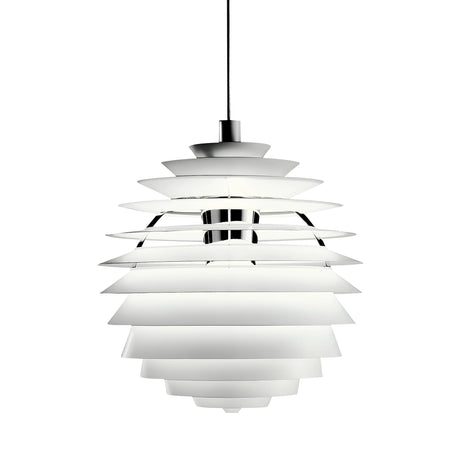
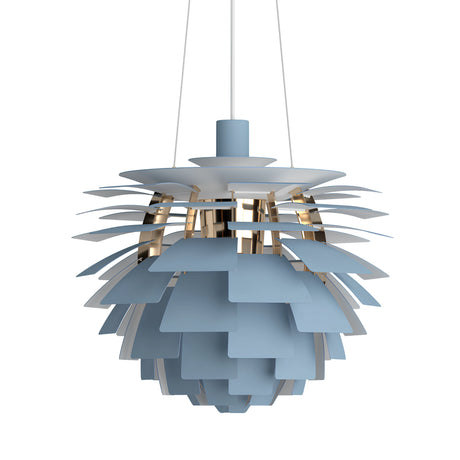
In the world of contemporary lighting, the choice of LED bulb base influences the geometry, volume, and sometimes even the materiality of a space. A blown opal glass lampshade designed for an E27 source does not have the same requirements as a compact wall sconce designed around a G9 LED bulb. Similarly, a GU10 LED spotlight imposes a directional language, whereas a G13 LED tube creates a linear and functional light. The key is to make a choice that is consistent with the interior architecture, daily usage, and the desired atmosphere.

Consulting & serviceMonday to Friday, 9am–7pm
Secure PaymentSSL-encrypted transactions
Returns & exchangesVia our returns portal

Back to top