The kitchen
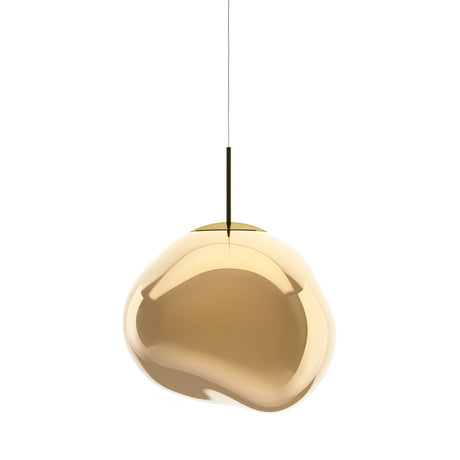
In the kitchen, work areas require clear intensity. LED spotlights or light strips under cabinets and ceiling lights often complement the central pendant light, which is essential for visual comfort. A luminous flux of up to 6,000 lumens for a large kitchen ensures precision and safety.
The living room
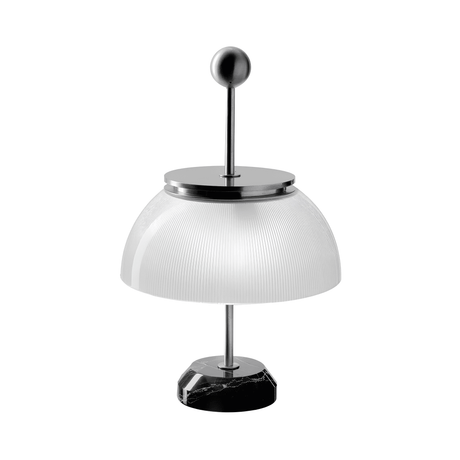
In the living room, accent lamps, airy pendant lights, and floor lamps create pleasant atmospheres where ambiance takes precedence over intensity. Between 1,500 and 3,000 lumens are sufficient to structure warm lighting, enhanced by a few well-arranged decorative elements.
The dining room
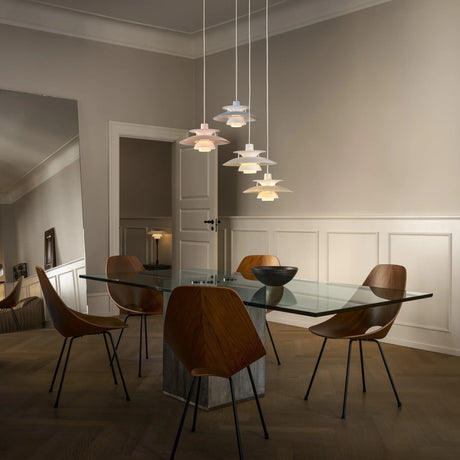
The dining room particularly benefits from vertical lighting that highlights the table. A pendant light or a set of wall lamps totaling between 3,000 and 5,000 lumens ensures a convivial and homogeneous atmosphere, while illuminating the meal satisfactorily.
The bedroom
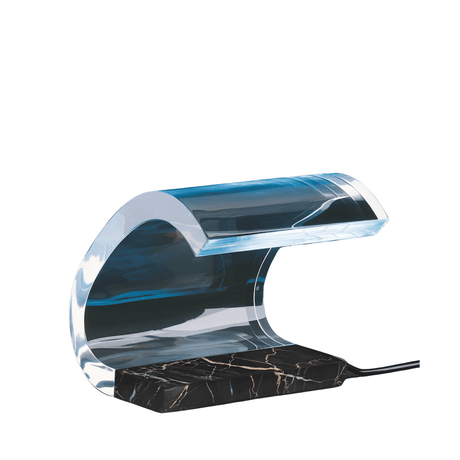
In the bedroom, light should be soothing. A main lamp between 850 and 1,200 lumens complements even softer bedside lamps. Wall sconces, often chosen for their aesthetics, also help create a luminous cocoon dedicated to rest.
The outdoors
Outdoors, light serves practical or decorative purposes. Bollard lights, solar wall sconces, garden spotlights, or floodlights secure and brighten up the surroundings of the house. A terrace can accommodate LED strips or string lights, designed to withstand outdoor conditions, while pool areas benefit from specific lighting, often integrated into the ground or controlled by smart bulbs.
For decoration, lighting between 300 and 600 lumens is perfect to avoid any glare. However, for outdoor spotlights offering good nighttime brightness, it is possible to go up to 1,000 lumens using specialized LED lighting.
On packaging, the lumen coexists with other specific concepts:
- The lux, which measures light received on a surface;
- The candela, corresponding to luminous intensity, useful for assessing the angle and power of directional lighting;
- The kelvin, which defines the color temperature and directly influences the lighting atmosphere of your space.
For an informed purchase, the lumen-kelvin combination is an essential benchmark: it defines the quantity of light and whether its character is warm or cool. In a kitchen or bathroom, a neutral tint supports precision, while in a living room or bedroom, warmer light is a source of relaxation.